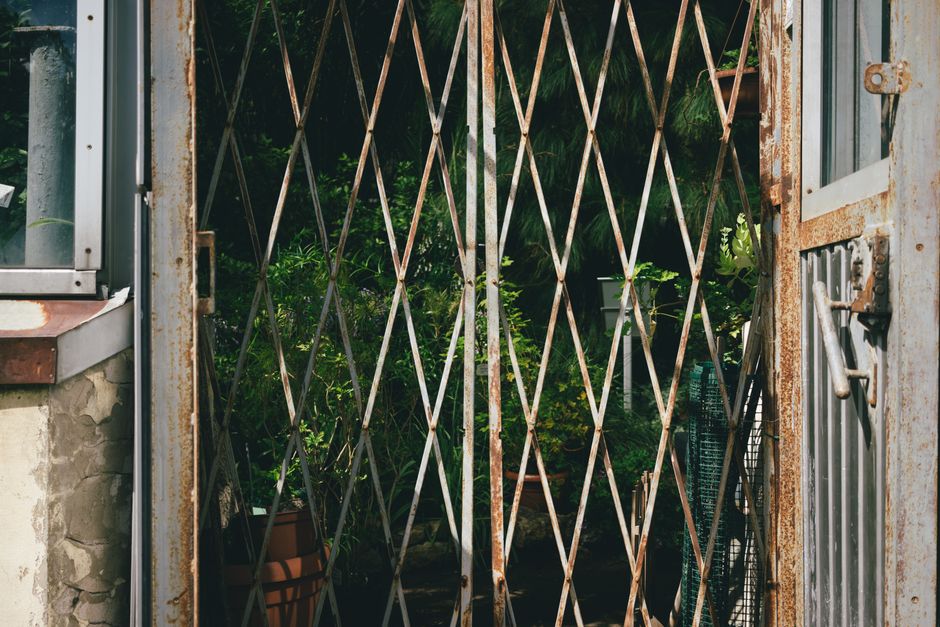
Common access problems in Southfields mews gardens for gardeners

Access sounds like a small detail until you're standing with a mower, a bag of clippings, and a gate that barely opens wide enough for your shoulder. In mews gardens, especially around Southfields, those little constraints can turn an ordinary visit into a bit of a shuffle. Common access problems in Southfields mews gardens for gardeners are usually not dramatic, but they do affect time, cost, safety, and the overall quality of the work. This guide breaks down what typically goes wrong, why it matters, and how gardeners can plan around it without making a meal of the whole thing.
If you're a homeowner, landlord, managing agent, or gardener trying to keep a compact private garden tidy, the good news is this: most access issues are manageable when you spot them early. A few minutes of planning often saves a whole afternoon of lifting, backtracking, and awkward apologies at the end of the day.
Why Common access problems in Southfields mews gardens for gardeners Matters
Access problems are more than a nuisance. In a mews setting, garden work often happens through side passages, shared entrances, basement steps, narrow alleyways, or courtyard doors that were never designed with full-size equipment in mind. That means even a simple job like lawn mowing can take longer if every piece of kit has to be carried in by hand.
For gardeners, poor access changes the whole rhythm of the visit. You spend longer getting in, longer getting waste out, and longer trying not to damage paving, fences, planters, or the neighbour's paintwork. For clients, that can mean higher labour time, more disruption, and a job that looks straightforward on paper but awkward in real life.
Let's face it: a tidy mews garden can still be a logistical puzzle. That is especially true where properties sit tightly together and there is little room for wheelbarrows, trailers, or even simple turning space. A quick site check often reveals the problem before the first tool is unloaded, which is exactly where the saving happens.
Access matters for safety too. Tight corners, uneven thresholds, wet paving, and awkward carrying routes increase the chance of trips, strained backs, and accidental damage. Good planning is not just neatness; it is part of doing the job properly.
How Common access problems in Southfields mews gardens for gardeners Works
In practical terms, access issues show up at three points: arrival, movement through the property, and waste removal. Each stage can introduce friction.
On arrival, the gardener may have nowhere legal or convenient to stop, unload, and sort tools. In mews streets, parking can be tight or time-limited, and the nearest unloading point may still be a fair walk from the garden gate. A single hedge trim can become a small relay race, to be honest.
Once inside, the route to the garden may include narrow doors, steep steps, low arches, locked side gates, or shared hallways. Even when access is possible, it may be too restricted for larger equipment. A ride-on mower, for example, is not the issue in most mews gardens; getting a compact mower through a narrow gate can be the issue. Same with large bags of compost, bulky pruning waste, or rolled decking materials.
On the way out, waste disposal often becomes the bottleneck. Hedge trimmings, green waste, soil, and old turf are fine when you can load them directly. Less fine when every bag has to be carried through a house, around a courtyard, or down a passage with a slippery step. That is why services such as garden clearance and routine garden maintenance are often planned differently for mews properties than for open suburban plots.
In many jobs, access problems are not one big obstacle. They are several small ones stacked together. One tight gate, one awkward turn, one bad parking spot, one low wall. And then suddenly the job feels two sizes bigger than the garden itself.
Key Benefits and Practical Advantages
When access is understood early, everything becomes calmer. The job is easier to schedule, easier to price, and easier to complete without surprises. That sounds obvious, but it is exactly where many problems start.
- Better time planning: Knowing the access route lets gardeners estimate loading, carrying, and setup time realistically.
- Cleaner results: Fewer awkward moves mean less disturbance to paths, planting, and decorative surfaces.
- Lower risk of damage: Narrow routes and shared spaces are easier to protect when you know where the pinch points are.
- Safer working conditions: Fewer trips, lifts, and rushed manoeuvres reduce everyday garden-site risk.
- More accurate quotes: Access details help prevent underpricing, which is good for both sides.
There is also a softer benefit: less stress. A gardener who knows the gate code, the parking reality, and the waste route can focus on the work instead of improvising from the driveway. That usually shows in the final result.
For clients, access planning can also help with larger projects such as landscaping or landscape gardening, where materials, skips, and bulky tools need a sensible route in and out.
Who This Is For and When It Makes Sense
This topic matters to quite a few people, not just the person holding the secateurs.
- Homeowners: If you have a private mews garden and want regular upkeep without damage or disruption.
- Landlords and managing agents: If you need dependable access arrangements for recurring maintenance visits.
- Gardeners and landscapers: If you want to avoid turning up to a site that looks simple but behaves like a puzzle box.
- Neighbours and residents: If shared entrances, communal paths, or parking affect everyone using the space.
It makes sense to address access early when you are booking any job beyond very light tidying. A quick hedge trim may only need hand tools, but jobs involving lawn cutting, clearance, tree work, or decking repairs can quickly expose weak points in the access route. For more complex work, services like hedge trimming and tree lopping and removal benefit from a clear plan before anyone arrives.
If you only remember one thing: access is not an admin detail. It is part of the job description.
Step-by-Step Guidance
Here is a simple, field-tested way to handle access problems before they become expensive little surprises.
- Map the route from street to garden. Start at the pavement and walk the exact route a gardener would use. Check gates, steps, corners, locks, and any shared areas.
- Measure the narrow points. A tape measure is worth its weight here. Gate width, doorway width, and the height of steps or thresholds matter more than people think.
- Check parking and unloading. Is there a place to stop safely for long enough to unload tools? If not, how far is the carry from vehicle to garden?
- Look for hazards. Slippery paving, loose slabs, dark corners, low lighting, pets, stored bikes, and bins can all complicate access.
- Plan waste movement. Decide where cuttings, branches, soil, and bags will go at the end of the job. This is often the bit people forget.
- Match the equipment to the route. If access is tight, smaller tools may be better than one bulky machine. Sometimes the right answer is not bigger kit, but smarter kit.
- Agree the working order. In cramped gardens, it often helps to work from the far end back toward the exit, so waste removal is easier as the job progresses.
- Review before the first visit and again after. If the route changes because of building works, bins, deliveries, or seasonally damp ground, update the plan.
A good gardener will usually do some of this automatically. But clients can help a lot by giving clear information up front. A few photos of the gate, path, and parking area can save a whole lot of guessing.
Expert Tips for Better Results
In our experience, the best access solutions are rarely fancy. They are usually practical, tidy, and a bit boring in the best possible way.
- Use smaller loads, more often: If a wheelbarrow route is narrow, several lighter trips are safer than one overpacked one.
- Protect pinch points: A gate edge, a painted wall, and a stone step can all be wrapped or guarded if repeated traffic is expected.
- Keep tools staged near the entry point: That reduces clutter inside the garden and makes the exit route less chaotic.
- Have a waste plan before you start: Clippings and branches are harmless enough until they pile up in a narrow courtyard. Then they are just in the way.
- Choose maintenance frequency wisely: Smaller, more regular visits often work better than occasional large interventions in restricted gardens.
If the work is likely to involve heavy lifting or awkward materials, ask whether the property's access is compatible with the intended scope. That sounds formal, but it is really just a polite way of asking the right question early. A bit dull, maybe. Very effective, though.
For recurring upkeep, a service like lawn mowing or planned garden maintenance can often be adapted to the site, especially if the access route is predictable and the schedule stays consistent.
Common Mistakes to Avoid
Most access headaches come from assumptions. People assume the gate is wide enough. They assume a van can stop nearby. They assume a bag of waste will be easy to carry back out. It is rarely that neat.
- Not checking access before booking: This is the big one. A quick look now is better than a rushed adjustment later.
- Forgetting about waste exit routes: Entry might be possible, but exit with full bags may be slower or messier.
- Ignoring shared-space etiquette: Mews areas often involve neighbours, delivery drivers, or pedestrian traffic. Blocking a path can create friction quickly.
- Using unsuitable equipment: Bigger is not always better. Sometimes smaller tools are the professional choice.
- Underestimating lighting and weather: A route that looks fine at midday can be much less friendly at 4:30 on a damp winter afternoon.
There is also a simple human mistake: not telling the gardener everything. If a side gate sticks, say so. If the access route crosses a shared hallway, mention it. If there is a dog, a key safe, a code lock, or a neighbour's bin permanently in the way, say it plainly. Nobody enjoys guesswork, least of all on a working morning.
Tools, Resources and Recommendations
You do not need a van full of specialist kit to manage most mews access issues. A few basic tools and habits go a long way.
- Tape measure: Useful for gates, openings, and awkward corners.
- Phone camera: Simple photos of the access route help everyone plan better.
- Lightweight garden bags or tubs: Better for narrow routes than oversized sacks that snag on walls.
- Compact tools: Smaller mowers, hand shears, folding saws, and lightweight rakes often fit mews gardens more comfortably.
- Temporary floor protection: Helpful where a route passes through a hallway, porch, or finished paving.
- Clear communication note: A shared message with gate codes, arrival windows, parking detail, and waste instructions can prevent a dozen small misunderstandings.
If the work is part of a broader refresh, the services overview is a sensible place to look at how different jobs fit together. For example, access planning for a clearance visit may be very different from planning a decorative build. And if you are comparing costs or scope, the pricing and quotes page is useful for understanding how jobs are typically discussed before work begins.
One more practical note: if your garden borders a decked area or includes raised features, you may also want to consider how access affects installation or repairs. A narrow route can change how materials are brought in, and that matters on jobs involving decking services.
Law, Compliance, Standards, or Best Practice
Access problems in private mews gardens are usually handled through practical best practice rather than anything dramatic or legalistic. That said, gardeners still need to work safely and sensibly, especially where there are shared spaces, uneven surfaces, or lifting tasks.
In the UK, a professional approach generally means thinking about safe movement, suitable equipment, and clear communication. Where a route is tight or shared, it is normal to take extra care to avoid blocking access, causing trip hazards, or damaging surfaces. If you are working near other residents, courtesy is part of professionalism. So is tidiness. Nobody likes stepping over a pile of brash on their way to the bins.
Where a property requires more involved work, such as heavy clearance or tree-related tasks, a gardener should also consider whether the job falls within their competence and equipment limits. Good practice is to stop, assess, and adjust rather than push on and hope for the best.
Trust also matters. If a business discusses safety, insurance, or working methods clearly, that helps clients feel more confident. Pages like health and safety policy, insurance and safety, and about us can be useful trust signals because they show how a company approaches work behind the scenes.
If access affects communication or your ability to use the site, you may also find the accessibility statement helpful. And if anything ever goes wrong with the service journey, it is reassuring to know there is a clear complaints procedure in place rather than everything being handled by vague back-and-forth emails.
Options, Methods, or Comparison Table
Different access solutions suit different gardens. Here is a simple comparison of common approaches.
| Method | Best for | Pros | Trade-offs |
|---|---|---|---|
| Compact hand tools | Narrow gates, small courtyards, light maintenance | Easy to carry, flexible, low disturbance | Slower for larger jobs |
| Smaller powered equipment | Regular mowing or trimming with restricted entry points | Efficient without needing huge access | May still require careful routing and setup |
| Staged waste removal | Clearance jobs with limited exit space | Reduces clutter and trip hazards | Takes more coordination |
| Pre-visit access survey | Landscaping, tree work, decking, or first-time visits | Better pricing and fewer surprises | Needs a bit of admin before the job |
| Regular maintenance schedule | Busy mews gardens that quickly overgrow | Keeps routes clearer and jobs shorter | Requires consistency |
If you want the short version: light jobs can usually be handled with compact tools and careful movement, while bigger jobs need more planning before anyone turns up with bags and ladders. Simple as that, really.
Case Study or Real-World Example
Picture a small mews garden tucked behind a row of homes in Southfields. The garden itself is neat but overgrown at the edges, with a narrow side gate, one shallow step down, and a shared passage that also serves bin access for two neighbours. On paper, it sounds like a quick tidy-up.
In practice, the main challenge is access. The mower fits through the gate, but only just. The waste bins sit close to the route, and the path gets slippery when it has rained overnight. The first instinct might be to just get on with it. But that would mean repeated trips around the same tight corner with full bags and a damp surface underfoot.
The better approach is to clear the route first, stage the tools near the gate, and work from the back of the garden toward the exit. Waste is gathered in smaller loads. Anything bulky is cut down before being carried out. The result is a cleaner finish and far less strain on the working day. No drama, no faff.
That sort of job is also where coordination with wider services can help. If the garden needs more than light trimming, combining work with garden clearance or a broader landscaping plan can make access management more efficient overall.
Practical Checklist
Before any visit to a Southfields mews garden, run through this checklist.
- Measure the gate and any tight doorways.
- Check for steps, slopes, loose paving, or slippery surfaces.
- Confirm where the vehicle can stop and unload.
- Identify the route for bringing waste back out.
- Note any shared spaces, residents, or pets.
- Share gate codes, key arrangements, or contact details in advance.
- Decide whether compact tools are more suitable than larger machines.
- Ask whether the job will involve heavy waste, soil, branches, or bulky materials.
- Plan the order of work so the exit route stays clear.
- Review access again if anything changes before the visit.
Practical summary: if access is tight, the best outcome usually comes from smaller loads, clearer communication, and a realistic scope. That combination saves time and a fair bit of stress too.
Conclusion
Common access problems in Southfields mews gardens for gardeners are rarely about one big blocker. More often, they are a chain of small limitations: narrow gates, limited parking, shared passages, awkward waste routes, and spaces that simply were not designed for modern garden equipment. The answer is not to force the job; it is to plan it properly.
When access is checked early, the work feels smoother, safer, and more professional. Gardens are easier to maintain, quotes are more realistic, and the end result is usually better for everyone involved. That is especially true in compact mews settings, where a little forethought goes a long way.
If you are preparing a garden visit, a refresh, or a larger project, start with the route in and out. It sounds mundane, but honestly, it is one of the smartest things you can do.
Get a free quote today and see how much you can save.
When the access is understood, the garden can finally get the attention it deserves - and that always feels like a small win on a busy London day.
Frequently Asked Questions
What are the most common access problems in Southfields mews gardens?
The most common issues are narrow gates, limited parking, shared entrances, awkward steps, and tight routes for carrying tools or waste. In some gardens, the problem is not getting in once, but moving around comfortably after that.
How do gardeners deal with narrow gates and side passages?
They usually use smaller equipment, lighter loads, and a staged working pattern. Sometimes the best approach is to carry tools in separately, work from the far end of the garden, and keep the exit route clear as you go.
Does access affect the price of garden work?
Yes, it often can. Restricted access may increase labour time, waste handling, or the complexity of bringing materials in and out. A clear description of access helps produce a more accurate quote from the start.
Can a lawn be mown if the mower does not easily fit through the gate?
Sometimes, yes, if a compact mower can pass through safely. If not, hand tools or a different method may be more suitable. The right answer depends on the gate width, the route, and the size of the lawn.
What should I tell a gardener before they visit my mews property?
Give them the gate width if you know it, parking details, entry instructions, any steps or slopes, and whether the access route is shared. If there is a lock, code, or resident who needs advance notice, mention that too.
Are access problems a safety issue?
They can be. Tight routes, wet paving, poor lighting, and repeated lifting all increase the risk of slips, trips, and strain. Good planning reduces those risks significantly.
What if the access route goes through a house or hallway?
That can work, but it needs care. Floor protection, tidy staging, and clear communication are important. The route should be agreed in advance so nobody is surprised on the day.
Do mews gardens need different maintenance planning from regular gardens?
Usually, yes. Because access is often tighter, it helps to plan more frequent lighter visits rather than waiting for the garden to become heavily overgrown. That keeps the work simpler and less disruptive.
How can I make access easier for a one-off clearance job?
Clear the route before the gardener arrives, move bins or bikes if possible, share parking instructions, and tell them about any bulky waste in advance. A bit of prep here saves a lot of back-and-forth later.
Is it worth combining access planning with other garden services?
Yes, especially for bigger jobs. If you are already arranging clearance, trimming, or landscaping, thinking through access once can make the whole project run more smoothly. It often prevents duplicated effort.
What should I do if access changes after the job has been booked?
Let the gardener know as soon as possible. A changed gate, parked vehicle, delivery, or building work can alter the plan quite a lot. Early notice helps avoid delays and awkward improvising on arrival.
Where can I find more information about service standards and policies?
Useful pages include the services overview, health and safety policy, insurance and safety, and recycling and sustainability. They help show how work is organised and handled responsibly.