Replingham Road front garden ideas for Southfields gardeners
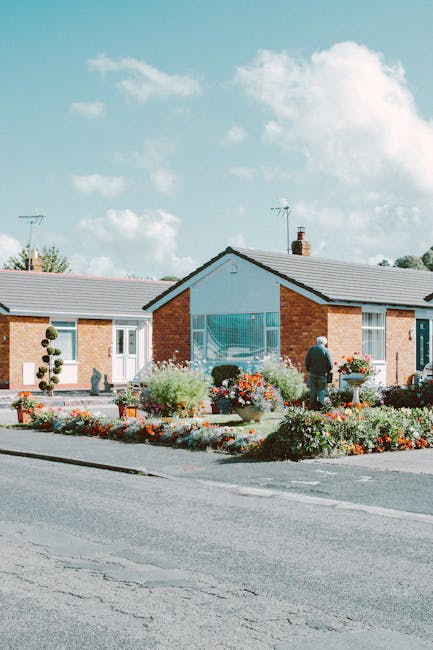
If you live near Replingham Road, you already know the front garden has a bit of a job to do. It greets the street, softens the house front, and either lifts the whole property or quietly drags it down. Good Replingham Road front garden ideas for Southfields gardeners are not about showy displays for the sake of it. They are about making a small or medium London front space feel tidy, welcoming, and easy to live with through wet winters, dry spells, and the usual stop-start rhythm of local life.
Truth be told, front gardens in Southfields often need to do several things at once: look neat from the pavement, cope with shade from neighbouring trees or buildings, and not become a weekend chore. This guide walks through practical layout ideas, planting choices, materials, maintenance habits, and the little planning decisions that make the biggest difference. If you want a front garden that looks considered without becoming high-maintenance, you are in the right place.
- Why these front garden ideas matter
- How to make the design work
- Benefits and practical advantages
- Who this suits best
- Step-by-step approach
- Expert tips for a better result
- Mistakes to avoid
- Tools and resources
- Law, compliance and best practice
- Options and comparison
- Real-world example
- Practical checklist
- Conclusion
- Frequently asked questions
Why Replingham Road front garden ideas for Southfields gardeners Matters
A front garden is more than decorative frontage. On a street like Replingham Road, it frames the home every day, whether you are arriving with the shopping, stepping out for the school run, or simply glancing out the window on a drizzly morning. A well-planned space can make a terraced house feel wider, a semi-detached home feel calmer, and an older property feel better cared for without losing its character.
For Southfields gardeners, the challenge is usually balance. You want a space that feels green, but not messy. Private, but not closed off. Stylish, but not so precious that one muddy footprint causes panic. And yes, front gardens often get judged in seconds by passers-by, neighbours, and potential buyers. Harsh? Maybe. Accurate? Absolutely.
There is also the practical side. Front gardens can help with drainage, reduce glare from paving, create room for bins or bikes, and soften the hard edges of the house. Even a modest redesign can make everyday life easier. That is why a thoughtful front garden is not just a pretty extra. It is part of how the property works.
How Replingham Road front garden ideas for Southfields gardeners Works
The best front garden ideas start with observation. Before you buy a single plant or lift a slab, look at what the space actually does through the day. Where does the sun fall? Which corner stays damp? Do you get a lot of foot traffic to the door? Is there a sightline you want to protect or improve? These answers shape everything else.
In practice, a good front garden plan usually combines four elements:
- Structure such as paths, edging, walls, steps, or low fencing.
- Planting that suits the light levels and the amount of care you are willing to give it.
- Access so the door, bins, gates, and any side return remain easy to use.
- Maintenance so the space stays neat without becoming a full-time job.
That is the real trick. A design that looks lovely on day one but becomes awkward by month three is not a success. A front garden needs to age well. In Southfields, where many homes sit on compact plots, narrow layouts and mixed light conditions are common, so the smartest ideas tend to be simple, layered, and resilient.
We often find that a restrained design works best. One or two paving materials. A limited planting palette. A clear central route to the front door. Maybe a couple of statement shrubs or a small tree if the space allows. Nothing fussy. Nothing trying too hard. It sounds almost too simple, but that is usually where the best results come from.
Key Benefits and Practical Advantages
A well-designed front garden brings a surprising number of benefits. Some are obvious. Some only become clear after a season or two.
| Benefit | What it means in real life |
|---|---|
| Better kerb appeal | The house looks more cared for, which matters for visitors and future buyers alike. |
| Easier maintenance | Clear beds, sensible planting, and clean edges mean less weekly fuss. |
| Improved access | A well-planned route makes coming and going smoother, especially with prams, shopping, or bikes. |
| More privacy | Careful planting and low screens can soften sightlines without making the frontage feel closed in. |
| Better drainage | Thoughtful use of planting and permeable surfaces can help reduce surface water build-up. |
There is also a less tangible benefit: a front garden can make a home feel calmer before you even step inside. You will notice it on a damp evening when the paving is clean, the planting still has shape, and the place feels intentional rather than improvised. Small thing, maybe. But it matters.
For households in Southfields with busy routines, that calm is worth quite a lot. If the front garden is low-friction, you simply use it more. That is the mark of a good design. Not the one that wins admiring comments. The one that quietly works.
Who This Is For and When It Makes Sense
This approach suits a wide mix of homeowners and renters who manage the frontage of a property. It is especially useful if you are:
- Trying to improve a tired-looking front garden without a full rebuild.
- Preparing a property for sale or rental and want a better first impression.
- Dealing with overgrown shrubs, patchy lawn, or awkward paving.
- Wanting lower-maintenance planting that still feels green and welcoming.
- Working with a narrow or shaded space that needs a more thoughtful layout.
- Looking to replace a scruffy patch with something cleaner and more resilient.
It also makes sense if you are simply fed up with a front garden that demands more than it gives back. Let's face it, not every outdoor space deserves a weekend of your life every other week. Sometimes the right answer is to simplify, sharpen the structure, and choose plants that behave themselves.
If your front garden gets strong road exposure, heavy shade, or lots of foot traffic, the design needs to be even more practical. In those cases, the best ideas are often the most disciplined ones. A neat path, a couple of anchor plants, and a tidy edge can outperform a busy planting scheme with too much going on.
Step-by-Step Guidance
Below is a straightforward way to shape a front garden that feels suitable for Replingham Road and the wider Southfields setting.
- Start with a clear measured sketch. Mark the house frontage, door position, windows, path, gates, and any immovable features. Even a rough sketch on paper is better than guessing.
- Identify the light and shade pattern. Check which areas get morning sun, afternoon sun, or almost none. This matters more than most people think.
- Decide the main purpose. Do you want privacy, more planting, easier parking around the frontage, a stronger entrance, or all four? Choose the primary aim first.
- Set the circulation route. The route to the front door should feel obvious and comfortable. If people have to dodge plants or squeeze past bins, the design is off.
- Choose a limited material palette. Two paving styles is often enough. More than that, and the space can start to feel busy very quickly.
- Build in structure before planting. Edging, low walls, trellis, or simple fencing can do a lot of heavy lifting.
- Pick plants for the site, not for the catalogue picture. Shade, pollution, wind, and soil type all matter. Glamour is nice, but survival comes first.
- Leave room for maintenance. Beds need access. Sides need turning space. If pruning requires a contortionist, it will not stay tidy for long.
- Finish with detail. A clean edge, a good front gate, a neat threshold pot, or a simple lantern can lift the whole frontage.
One useful habit: stand across the street and look back at the house. It sounds obvious, but you see different things from that angle. The design suddenly reveals itself. The wonky bit. The empty patch. The plant that is doing too much. A front garden often tells the truth from the pavement.
Expert Tips for Better Results
Some front gardens look good because they are expensive. Better ones look good because the decisions were sharp. That is where a bit of local experience helps.
Use repetition, not clutter
Repeating the same plant or material a few times creates rhythm. A front garden with three or five repeated elements feels calmer than one full of one-off features. It is a simple idea, but effective.
Choose structure first, flowers second
Seasonal colour is lovely, of course. But in a street-facing garden, shape matters all year. Evergreen shrubs, clipped forms, low hedging, and solid edging keep the place looking composed even in winter.
Think in layers
Use taller elements near boundaries, mid-height planting nearer the house, and lower plants close to paths. That gives depth without blocking access or light. A lot of small gardens are improved simply by arranging things properly.
Pick low-fuss plants where life is busy
If you do not want to prune all the time, avoid planting schemes that need constant shaping. Choose plants that look good slightly left alone. There is no shame in that. Actually, it is usually wise.
Mind the threshold
The space right by the front door is often overlooked. A tidy step, a clean doormat area, and one or two containers can make the entrance feel finished. People notice that bit first, even if they do not realise they do.
If you are considering larger changes, such as full layout redesign, new hard landscaping, or more substantial planting structure, it can help to explore broader landscape gardening options alongside a front-garden plan. That way the entrance area feels connected to the rest of the property rather than bolted on at the end.
Common Mistakes to Avoid
Front gardens often fail for predictable reasons. The good news is that most of them are easy to avoid once you know what to look for.
- Overplanting. Too many species, too close together, can look impressive for a month and then become tangled.
- Ignoring maintenance access. If you cannot reach the back of a bed, it will turn scruffy faster than you expect.
- Using the wrong plants for the site. Sun lovers in deep shade, or woodland plants in baked soil, usually struggle.
- Making the path too narrow. A front route should feel comfortable, not like a balancing act.
- Choosing too many materials. Mixed bricks, stones, and edging styles can clash unless handled carefully.
- Letting hedges or shrubs block windows. A little screening helps; a dark tunnel effect does not.
- Forgetting drainage. Flat paved areas can hold water if the levels are wrong.
There is also the classic mistake of designing for the first photo rather than the next five years. That tends to happen when people fall in love with a plant because it looks amazing in a nursery. Then it grows. Then the pruning begins. And, well, the mood changes.
Tools, Resources and Recommendations
You do not need a specialist kit to improve a front garden, but a few basics make the work much easier and the finish cleaner.
- Measuring tape for mapping widths, bed depths, and path clearances.
- Spade and border fork for bed preparation and planting.
- Secateurs and loppers for shaping shrubs and removing tired growth.
- String line or garden hose to test path curves and edging before committing.
- Wheelbarrow or rubble bags if you are clearing old soil, paving, or cuttings.
- Soil improver or compost to lift poor front-garden soil before planting.
If your front garden has become heavily overgrown or cluttered, a proper reset can be the fastest route forward. In many cases, a tidy clear-out before redesign saves time later, especially where old roots, tired shrubs, or mixed debris are hiding the actual shape of the space. That is where a service like garden clearance can be a sensible first step.
Regular upkeep also matters. A front garden that looks good in April but scruffy by June usually needs a maintenance routine rather than a whole new design. If you want the space to stay neat with less effort, a planned schedule of tidying, pruning, and seasonal checks is worth its weight in gold. A service focused on garden maintenance can help keep the result steady over time.
For properties where the edge of the frontage is shaped by hedges, climbers, or screening shrubs, trimming is not just cosmetic. It keeps sightlines clear, prevents boundary sprawl, and stops the whole garden feeling oppressive. In that situation, hedge trimming may be part of the plan rather than an afterthought.
Law, Compliance, Standards, or Best Practice
Front garden work in Southfields is usually straightforward, but there are still a few sensible checks. If you live in a conservation-sensitive area, near a boundary, or in a property with shared access, it is wise to be cautious before making structural changes. Some works may need permission, and the exact rules depend on the property, local designation, and the type of alteration. When in doubt, check before you build.
A few practical best practices are worth following regardless of whether permission is needed:
- Keep access clear. The front door, bins, meters, and any shared route should remain usable.
- Use safe surfacing. Paths and steps should be stable, level where needed, and suitable for regular foot traffic.
- Think about drainage. Avoid creating a sealed surface that worsens run-off toward the house or street.
- Use planted screening responsibly. Boundaries should feel polite, not aggressive.
- Consider maintenance safety. If pruning, clearing, or digging near walls or trees, work carefully and know when to bring in help.
If you are planning bigger alterations, such as retaining walls, substantial hard landscaping, or tree work, professional guidance is often the sensible route. There are also practical safety considerations around tools, lifting, and working near roads or shared paths. For reassurance on standards of care, it helps to choose providers who can explain their approach to insurance and safety and show how they manage the work properly.
On a simpler level, good practice also includes respectful boundary management, tidy waste handling, and sensible material choice. If you are removing old paving or bulky waste, sustainability can come into play too. Many homeowners now prefer a process that reduces unnecessary waste and reuses what can be reused. That is where recycling and sustainability becomes part of the conversation, not an extra.
Options, Methods, or Comparison Table
There are several ways to approach a front garden redesign. The right one depends on budget, time, and how much upkeep you want to accept.
| Approach | Best for | Pros | Watch-outs |
|---|---|---|---|
| Simple tidy-up | Gardens that are basically fine but need sharpening | Quick, affordable, low disruption | May not solve deeper layout issues |
| Planting refresh | Spaces with good structure but tired planting | Strong visual lift, flexible, relatively contained | Needs the right plant choice and spacing |
| Full redesign | Problematic or awkward front gardens | Best long-term outcome, can improve access and drainage | More planning, more cost, more decision points |
| Low-maintenance conversion | Busy households or frequent travellers | Easier upkeep, cleaner look, dependable structure | Can feel too hard if not balanced with planting |
For many Southfields gardens, the middle ground works best: keep the useful structure, improve the planting, and clean up the edges. In other words, do enough to make the place sing, but not so much that you create a brand-new headache. Simple. Not simplistic.
Case Study or Real-World Example
Here is a typical local scenario. A Southfields homeowner has a narrow front garden with patchy grass, an overgrown shrub by the bay window, and a cramped path that feels awkward when two people meet at the gate. Nothing is dramatically wrong, but the space feels tired and a bit neglected.
The sensible response is not to rip everything out straight away. Instead, the garden is assessed in stages. The overgrown shrub is cut back or removed if it is no longer contributing. The path is widened visually by cleaning up the edging and simplifying the planting. Two new beds are created with a limited palette of evergreen structure and seasonal interest. A couple of hardy plants are grouped rather than scattered. Finally, a neat threshold container is added near the front door, just enough to soften the entrance.
The result is not flashy. But it works. The house looks more balanced from the street, the doorway feels more inviting, and maintenance becomes manageable. The owner is not battling the garden every fortnight. That is the win, really. Not perfection. Just a front garden that feels under control and pleasant to live with.
If you were to walk past on an autumn morning, you would probably notice the shape before the detail. That is often the sign of a good frontage: it reads clearly from a distance and still feels nice up close.
Practical Checklist
Use this checklist before starting any front garden update:
- Have I measured the space properly?
- Do I know which parts are sunny, shady, or exposed?
- Is the route to the front door clear and comfortable?
- Have I chosen a limited number of materials?
- Do the plants suit the light and soil conditions?
- Will I be able to maintain the beds easily?
- Is drainage likely to be an issue anywhere?
- Have I checked whether any permission or property-specific rules may apply?
- Do I need clearance work before redesigning?
- Have I thought about what the garden will look like in winter, not just summer?
If you can answer yes to most of those, you are already ahead of the game. And if a few answers are no, no drama. That just means the planning stage is doing its job.
Conclusion
The best Replingham Road front garden ideas for Southfields gardeners are the ones that respect the realities of the space: local light conditions, busy schedules, modest frontages, and the need for a frontage that stays attractive without constant fuss. A good front garden is not about forcing a grand design into a small London plot. It is about making careful choices that feel natural, durable, and pleasing from the pavement to the front step.
Start with structure. Keep the planting honest. Leave room for maintenance. And do not underestimate the power of a tidy entrance and a well-placed shrub. Small changes can transform the feel of a home. Sometimes more than you expect.
If you are weighing up a refresh, a full redesign, or just want help getting a tired frontage back into shape, now is the right time to act. Get a free quote today and see how much you can save.
There is a quiet satisfaction in a front garden that simply works. You feel it every time you come home.
Frequently Asked Questions
What are the best low-maintenance front garden ideas for Replingham Road homes?
The best low-maintenance ideas usually combine evergreen structure, limited plant variety, clean edging, and a clear path to the front door. A restrained design is far easier to keep tidy than a crowded planting scheme.
How do I make a small Southfields front garden look bigger?
Use simple lines, avoid too many materials, and keep planting layered but light. A narrow path, repeated plants, and uncluttered edges can make the space feel more open. Mirrors and gimmicks are usually not needed, to be fair.
Which plants work well in shaded front gardens?
Shade-tolerant shrubs, ferns, hellebores, evergreen ground cover, and selected grasses often work well, depending on soil and exposure. The exact choice depends on how deep the shade is and whether the area stays damp or dry.
Do I need planning permission to change my front garden?
Not always. Simple planting or minor tidy-up work usually does not raise issues, but more substantial changes, especially around paving, drainage, walls, or conservation-sensitive properties, may need checking first. It is best to confirm before starting.
How much should I budget for a front garden makeover?
That depends on the size of the space and whether you are doing a light refresh or a full redesign. Planting-only updates are usually less involved than new paths, steps, walls, or full clearance. A proper quotation is the safest way to understand cost.
What is the easiest way to improve kerb appeal quickly?
Clean the frontage, define the path, remove tired growth, and add a few strong, healthy plants. A smart threshold and neat edging can make an immediate difference without major construction.
Can I combine privacy and a welcoming look?
Yes. Low hedging, layered shrubs, and careful boundary planting can create privacy without making the house feel closed off. The trick is keeping height under control near the entrance and windows.
What if my front garden keeps getting muddy?
Muddy front gardens often need a better surface plan, improved edging, or a review of drainage and foot traffic. Sometimes the answer is more planting and less exposed soil. Sometimes it is the other way around. A site-specific approach works best.
How often should a front garden be maintained?
Most front gardens benefit from regular light attention rather than occasional big clear-ups. A monthly tidy, seasonal pruning, and a quick weed check often keep things under control better than sporadic heavy work.
Is it worth removing a lawn from a front garden?
It can be, especially if the lawn is tiny, patchy, or difficult to maintain. Replacing it with planting, gravel, or another suitable surface can reduce upkeep and improve the look. The key is making sure the replacement still feels balanced, not barren.
How do I choose between a planting refresh and a full redesign?
If the layout works and the garden mainly looks tired, a planting refresh is often enough. If access, drainage, or circulation are awkward, a full redesign may make more sense. A good rule: if the bones are fine, refresh them. If the bones are wrong, change the plan.
Can professional help make a noticeable difference in a small front garden?
Yes, especially where space is tight or the site has awkward conditions. A good gardener or landscaper can spot drainage issues, improve the layout, and choose plants that suit the exact conditions instead of guessing. That tends to save time and avoid costly mistakes.
Whether you are starting with a patchy strip or a front garden that has simply lost its shape over time, the right plan can make a real difference. Take it one step at a time, keep it practical, and let the garden grow into itself.
For more local gardening guidance, you may also find the wider advice on services overview useful, or browse related ideas on the blog for more Southfields-focused inspiration.